Be the calm, prepared part of someone’s test day.
This page is for mentors who want the deeper version of what good support looks like on test day. The role is simple: bring a road-test-ready motorcycle, communicate clearly, keep everything calm, and help the handoff feel professional. It is not a rental, and it is not rider training.
Guelph mentors help reduce last-minute stress for test-takers — and earn $100 per road test.

What mentors actually do
- Bring a road-test-ready bike: lights, brakes, tires, mirrors, and no obvious issues.
- Help the test-taker stay calm and pass on practical road-test and safety tips through in-app messaging once the booking is confirmed.
- Show up about 25–30 minutes early so there is time to settle nerves and keep things unhurried.
- Allow the test-taker to get acquainted with the bike: adjust mirrors, find the controls, feel the clutch friction point, and get comfortable with the brakes.
- If safe and everyone is comfortable, allow a short lap in the parking lot to get familiar with the bike — not training, not a lesson, just familiarity.
- Keep everything professional and respectful from first message to hand-back.
- Wait nearby while the test is in progress — coffee is fine, disappearing completely is not.
What mentors should NOT do
- Do not train the rider
- Do not provide riding lessons or “practice sessions”
- Do not pressure the test-taker into riding beyond comfort
- Do not argue with examiners
- Do not promise they will pass
- Do not treat this like a rental or open-ended borrowing
Experience matters
Mentors often bring years — sometimes decades — of riding experience. While this is not training, sharing a few calm, practical safety reminders through in-app messaging can help test-takers feel more prepared and confident. Simple tips like keeping the right foot on the rear brake at stops, making shoulder checks deliberate and easy to see, or ensuring head movement is visible to the examiner can make a meaningful difference. Some mentors also suggest small visibility tricks, such as placing a contrasting strip of tape on the helmet so head movement is easier to spot. These are not lessons — just helpful reminders from experienced riders who understand what examiners typically look for.


Meet-up timing and test-day flow
Meet 25–30 minutes early
Early meet-ups prevent rushed choices and reduce anxiety. The goal is predictability, not “cramming” at the last minute.
Let the rider get familiar with the bike
It is reasonable to give the rider a few minutes to settle in:
- sit on the bike and adjust mirrors
- confirm the controls
- feel the clutch friction point
- test the brakes carefully
- if safe, take a short parking-lot lap
This is still not training. It is simply helping the rider get comfortable with the machine they are about to use for a government road test.
During the road test
Stay nearby and reachable. Grabbing a coffee is fine. The point is to be available for the hand-back and any immediate issue that might come up.
Documents, damage, and accountability
If anything goes wrong on test day — damage, a dispute, or a safety issue — document first, then contact support. Full rules, damage responsibility, and expectations are outlined on BorrowMyBike.
Why mentors matter
A good mentor can take a chaotic test day and make it feel calm, structured, and safe. That matters. It helps new riders start their journey with the right mindset and reduces panic-driven decisions when it matters most.
Related reads and next steps
Mentors usually do best when they understand both sides of the platform: what the test-taker is trying to manage, and how the booking flow works from start to finish.
See a Real BorrowMyBike Meetup
Wondering what a real BorrowMyBike meetup actually looks like?
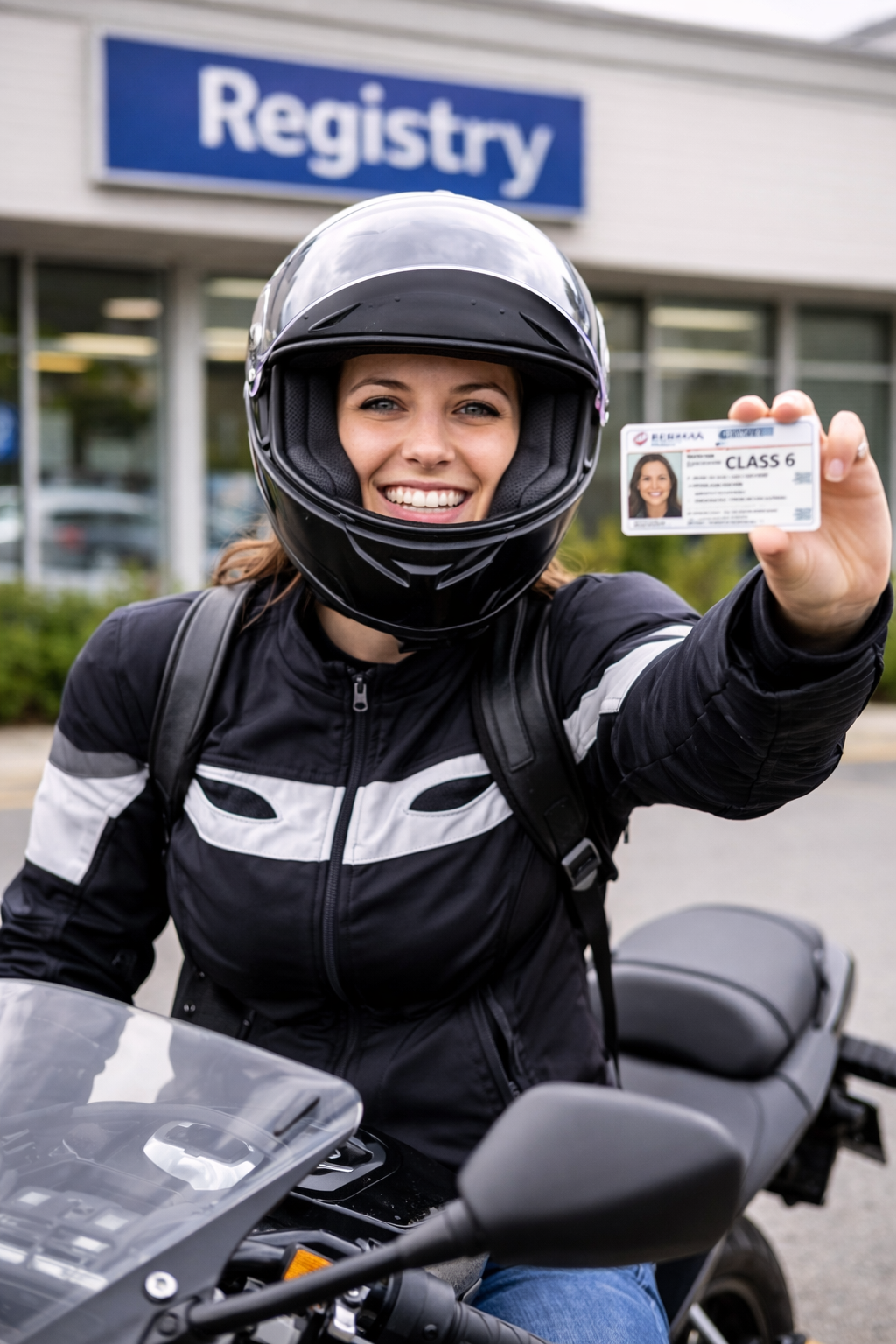
This was our first completed booking in Calgary. The rider met at the registry, practiced briefly beforehand, completed the road test, and returned the motorcycle safely afterward.
The process stayed simple, controlled, and low-stress for everyone involved.